
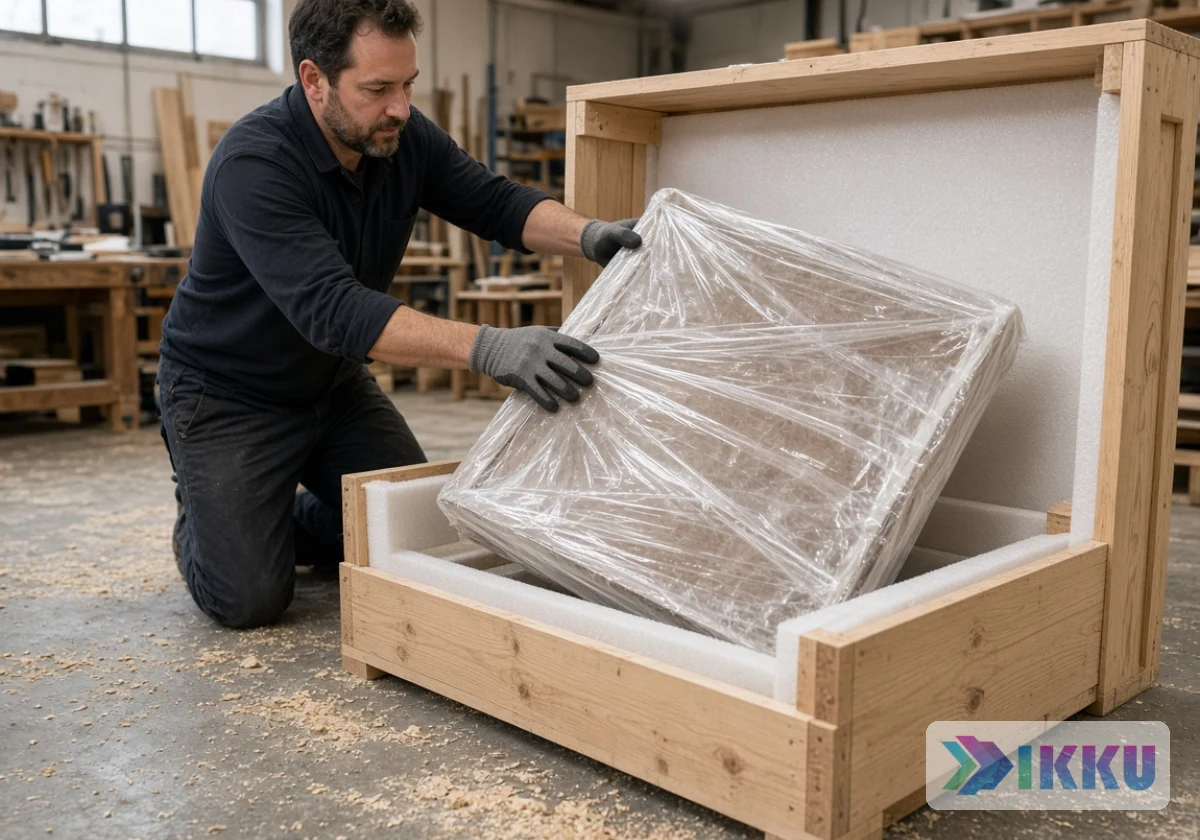
Before shipping artwork to New Zealand, you document valuable works of art with a signed condition report, photos, ownership papers and an insurance list. These records help prove the artwork’s condition if it gets damaged during shipping or at the border.
Without these records, a carrier or insurer might argue that a crack or loose frame was already there before packing. That’s why we at Ikku treat the art folder as part of the move rather than an afterthought.
To help you prepare, this guide covers what to include in an artwork condition report and which papers Customs and insurers check. You’ll also learn what to do when the crate arrives.
Read on to build yours.
Artwork Condition Report Basics: What Shippers and Insurers Expect to See
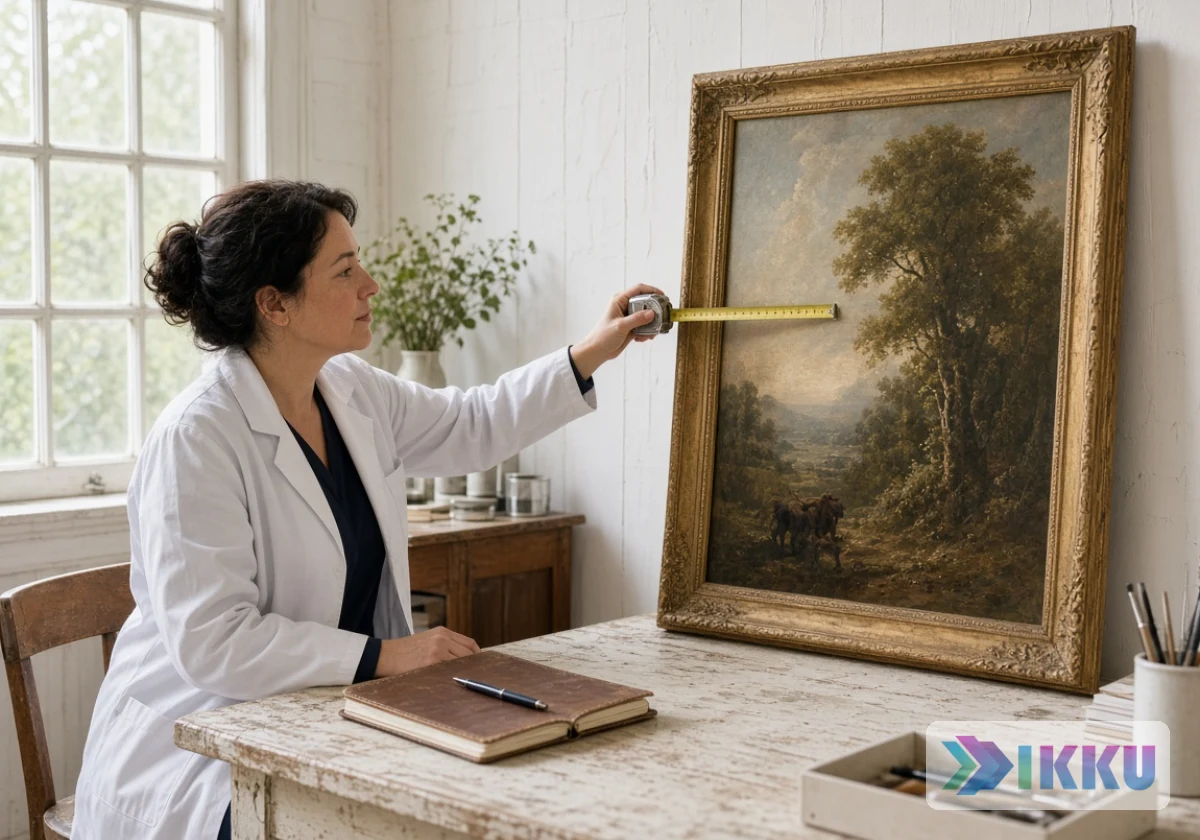
Shippers and insurers expect an artwork condition report to record the piece’s details, existing damage, photographs and signatures. Without these records, it’s harder to prove a scratch or crack wasn’t already there before shipping.
The report also forms part of your packing plan for New Zealand. Each section follows the order a conservator would use to check and record the artwork’s condition.
Record the Title, Artist, Dimensions and Materials
Start with the details that identify the work: title, artist, date, height, width, and depth. Measure the frame and the image separately. That split helps insurers assess damage to the frame and artwork separately.
You might not have measured the stretcher itself before. Add its dimensions now while the piece still hangs on your wall.
After that, list the materials used, such as oil on canvas or gouache on paper. Each material reacts differently to damage, so a conservator checks the materials and condition together.
Describe the Overall Condition of the Front, Back and Edges
With the measurements recorded, write a short condition assessment for the front, back and edges. Many owners only check the face of a painting, but the back can reveal damage or old repairs.
On the back, note stretcher keys, tape, labels and old repairs. These details can reveal past conservation work. Gallery labels also record the work’s history, so photograph them before they peel.
As for the edges, they take the hardest knocks in transit. Record any rubbing or chips there using plain grades like minor, moderate or severe.
Mark Every Flaw on a Simple Diagram
A note like “small scratch, lower left” leaves too much room for argument. Instead, sketch the work as a simple rectangle and mark each flaw where it sits.
Use one symbol per issue type, for example, C for cracking and L for paint loss. Then add a legend beside the sketch so anyone reading the report form understands the marks.
Apps such as Articheck let you pin notes straight onto a photo instead. Either way, the receiving party can match each mark to the artwork without guessing.
Photograph in Raking Light and Under UV Where You Can
Take straight-on shots of the front and back, then close-ups of every flaw on your diagram. Include a ruler in each close-up to show the size of the mark.
For a closer look, use raking light by holding a torch low to one side of the surface. It casts shadows across lifting paint and dents that normal lighting might hide (a phone torch works for basic checks).
Where possible, add a UV photograph as well. Old retouching and varnish may appear differently under UV light, which can reveal earlier conservation work.
Sign, Date and Have the Receiving Party Countersign the Report Form
Sign and date the report on the day the work goes into the crate. Using an earlier date could raise questions from the insurer about when the work was completed.
Then ask the packer to countersign, and have the receiving party sign on arrival. We’ve seen claims stall because the only signed copy sat inside the sealed container.
To avoid the same problem, keep your copy in your carry-on bag. Both signatures help confirm the artwork’s condition before packing and after delivery.
Fine Art Shipping Documentation: What Other Papers Do You Need?

With the report itself ready, the next question is what goes alongside it. Fine art shipping documentation includes other papers because New Zealand Customs, biosecurity officers and insurers each require different proof.
The report shows the artwork’s condition, but it says nothing about ownership, or value or the materials used. Biosecurity officers focus on the materials because wooden frames, untreated crates and natural fibres can carry pests.
From our experience with artwork shipping, people often overlook untreated timber in frames and stretchers when preparing customs paperwork. If officers can’t see it listed, they may open the crate, which increases the risk of damage.
Provenance papers serve a different purpose. A bill of sale, gallery receipt or auction record helps Customs and your insurer check the artwork’s ownership history.
So, what else should you keep in the folder? The following documents will help you prepare for shipping and border checks:
- Proof of ownership, such as a receipt, invoice or auction record
- A recent valuation from a registered valuer or the selling gallery
- A list of the materials used, naming any timber, plant fibre or animal product
- Export permits for cultural property or museum loan objects
- Copies of the signed condition report and its photographs
Missing these material details or required cultural property permits can delay customs clearance because officers may need them before releasing the crate. To avoid delays, keep everything in one folder with a digital backup. You’ll then have the documents ready if officers ask for them.
Building an Artwork Inventory for Insurance Before the Crate Is Sealed
An artwork inventory for insurance links each piece to its crate, condition report and value. It helps insurers check the details if you make a claim.
To decide what each line needs, the table below shows what to include and why insurers need each detail.
| Field | Why the Insurer Asks | What You Should Do |
|---|---|---|
| Item ID number | Links the line to its crate and report | Write the same ID on the crate label and report |
| Description and artist | Confirms which object was damaged | Copy the title straight from the report |
| Agreed value | Sets the most the insurer will pay | Attach the valuation document to the line |
| Crate number | Shows where the piece travelled | List crate contents on the outside label too |
| Report reference | Proves the state before packing | Staple a report copy to the inventory |
Before sealing the crate, check that your insurer accepts the artwork’s listed value. Also, confirm that your policy covers temporary storage, as the crate may spend time in a depot before delivery.
How to Check Artwork for Damage After Arrival in New Zealand
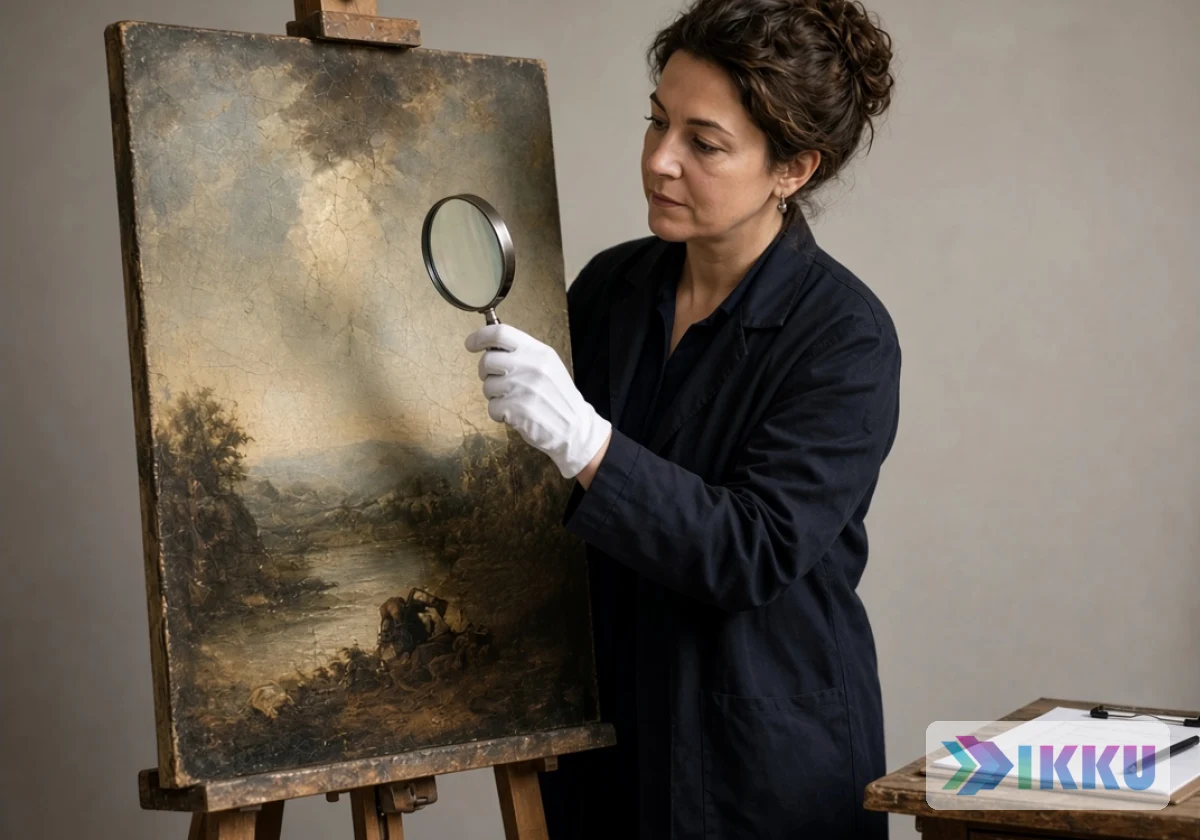
When your artwork arrives in New Zealand, start by inspecting the shipping crate for any visible signs of damage. Once you open it, carefully examine each piece for cracks, chips, scratches or other signs of damage.
To make sure you don’t miss anything, follow these steps to check and record any damage:
- Inspect the Crate First: Before signing the delivery note, walk around the crate and photograph any dents, holes or water marks. Record each issue on the delivery paperwork and keep a copy in case you need to make a claim.
- Unpack Against the Report: With the original report beside you, compare each flaw on the diagram with the artwork. For any new marks, use the same raking light as before packing. Your insurer can then compare the photos.
- Report New Damage Fast: Your mover and insurer need to know about any new damage straight away, so send them the photos. The receiving party should also sign and date the report to confirm the artwork’s condition on arrival.
A careful inspection helps you spot damage early, but it’s also worth planning who will unpack the artwork. Ask your mover in advance if they’ll unpack it on site or leave it to you. For valuable pieces, consider hiring a local art conservator to assess any damage and support your notes if you need to make a claim.
Ship With Paperwork That Protects the Art, Not Just the Crate
By now, you know which documents to prepare before shipping your artwork to New Zealand. A signed artwork inspection report, clear photographs, provenance papers and an insured inventory help document your artwork’s condition. Together, these records support your insurance claim if something goes wrong during shipping.
Throughout this guide, we’ve covered customs paperwork, insurance checks and artwork inspections. These steps will help you prepare for a smoother move and deal with any damage or paperwork issues along the way.
For help planning your artwork shipment to New Zealand, contact Ikku. Our team will guide you through every step of the process, including packing, paperwork and unpacking.