
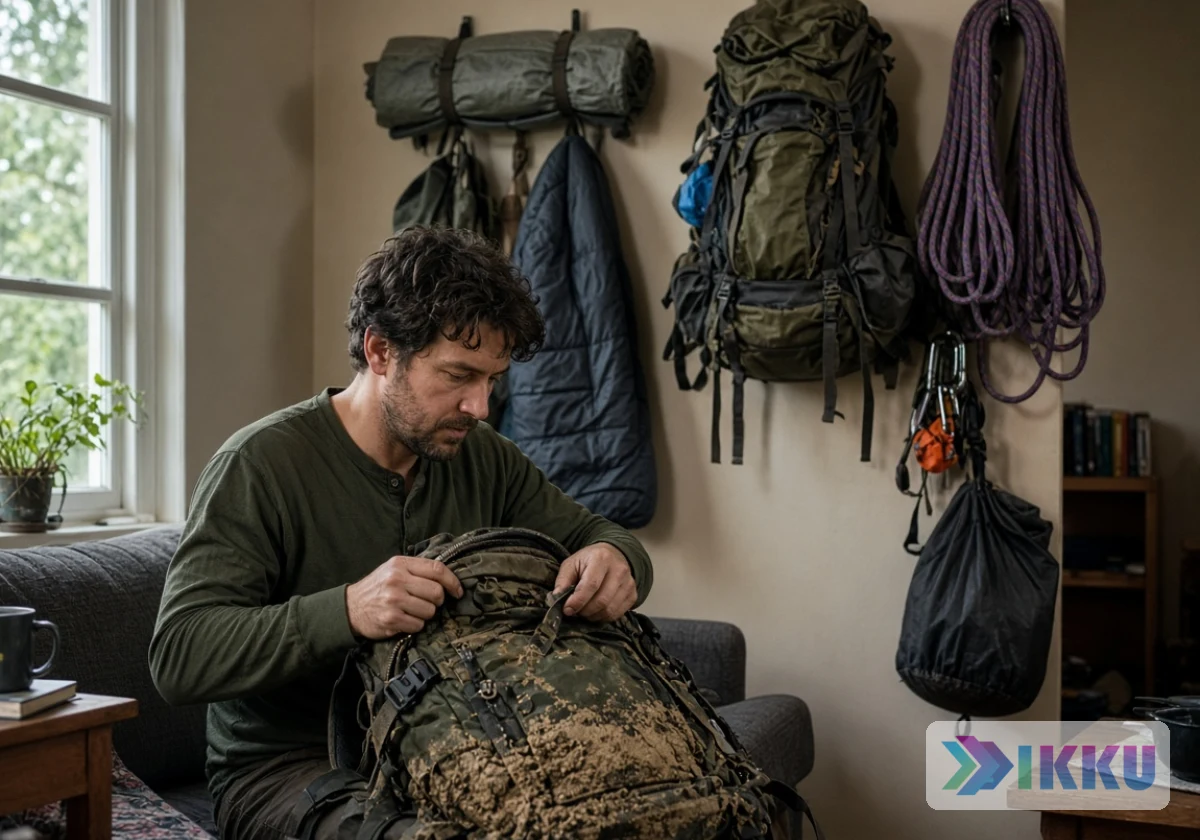
New Zealand Customs may inspect your used camping and gardening gear because the soil, seeds, and plant material stuck to it can carry pests and diseases. Its farms and native species depend on keeping those threats out at the border.
That’s why families moving to NZ, and returning New Zealanders bringing home years of outdoor kit, need to plan this part of the shipment early. At Ikku, we help people moving their homes prepare gear so it clears the border without holdups.
This guide covers why inspectors focus on outdoor equipment, which items they check first, a cleaning routine that heads off treatment fees, and what can follow an inspection. Start with the reasons behind the rules.
Why Does New Zealand Biosecurity Treat Used Outdoor Gear as High Risk?
Under New Zealand’s biosecurity rules, used outdoor gear is considered high risk because even a small amount of soil can carry insects, fungal spores and weed seeds. These unwanted organisms can survive inside shipping containers during the journey and become active once they reach suitable conditions in New Zealand. This creates a risk of introducing pests and diseases that could harm the country’s natural environment.
Distance makes the danger worse. Native plants, birds and insects evolved far from other land masses, without the pests found overseas. Even a fungus that does minor damage in the United States can spread unchecked through a New Zealand forest with no natural defences against it.
The risk also extends to farming and forestry, which rely on healthy land, plants and trees. These industries contribute heavily to New Zealand’s export income, so a new crop disease could damage local production, disrupt overseas trade and put jobs in rural communities at risk.
For this reason, the Ministry for Primary Industries groups soiled outdoor gear with plant and animal products as goods it wants declared. Its officers care more about where an item has been than what it is. For example, a tent used in a paddock is likely to receive more attention than a new tent that is still in its packaging.
Restricted Items in Your Shipment: The Camping and Gardening Goods Customs Will Check First
Most people packing a container have no idea their muddy gumboots rank alongside firewood on the ministry’s watch list. If you’re shipping camping gear to NZ, that list covers anything that touched soil, plants or water overseas, which takes up a surprising share of a typical garage.
Below are the personal effects that draw the closest look at the border.
Tents, Groundsheets and Camp Chairs That Still Hold Soil
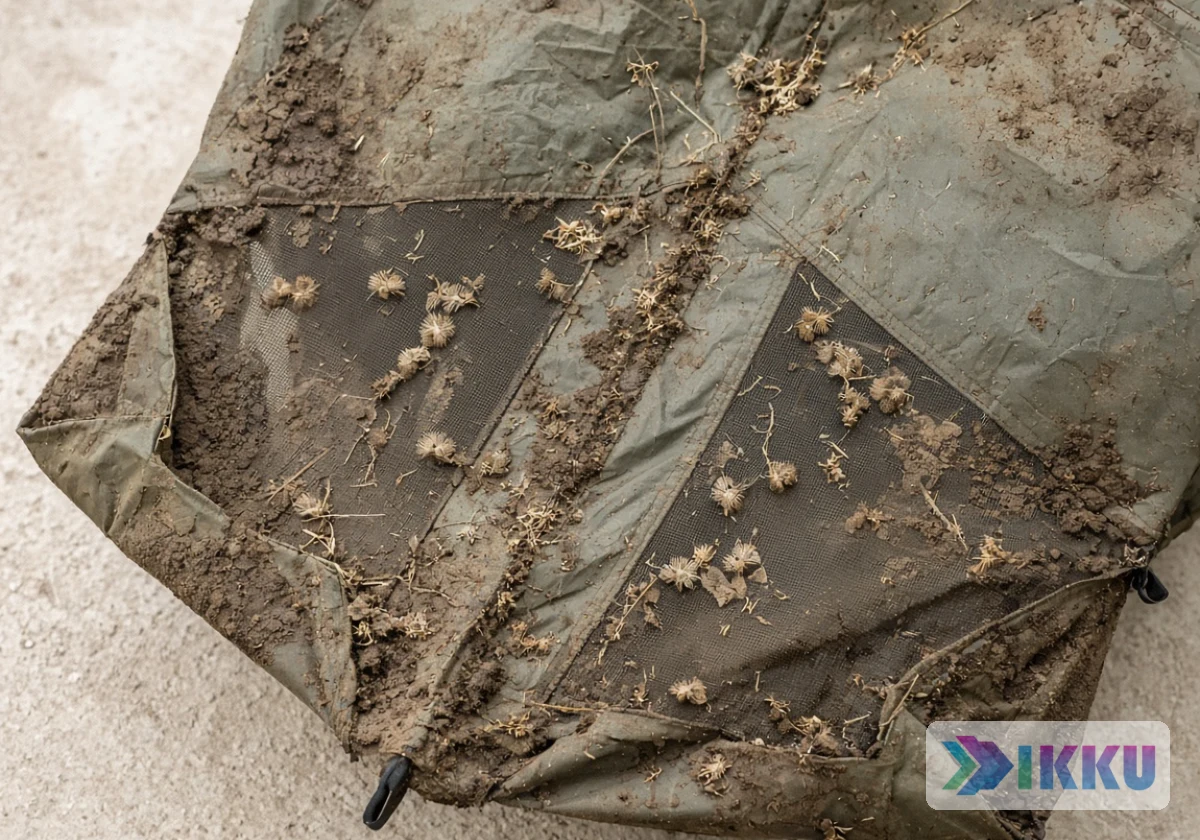
Tents and groundsheets can trap dirt in seams, peg bags, and folded corners, making these areas easy to miss during cleaning. Since biosecurity officers may unroll them during inspection, even a small amount of dried mud can lead to a cleaning order.
Camp chairs need similar attention because their feet, hinges, and mesh panels can also collect dirt and grass seeds. Grass seeds also cling to the mesh panels (burrs love clinging to that stretchy, open-weave fabric).
The best way to prepare your gear is to set up your tent at home and hose down every corner, including the hard-to-reach areas. Once it’s clean, let it dry completely before storing it. Any moisture left in the canvas can cause mould to develop during the weeks at sea.
Hiking Boots and Outdoor Footwear With Mud in the Tread
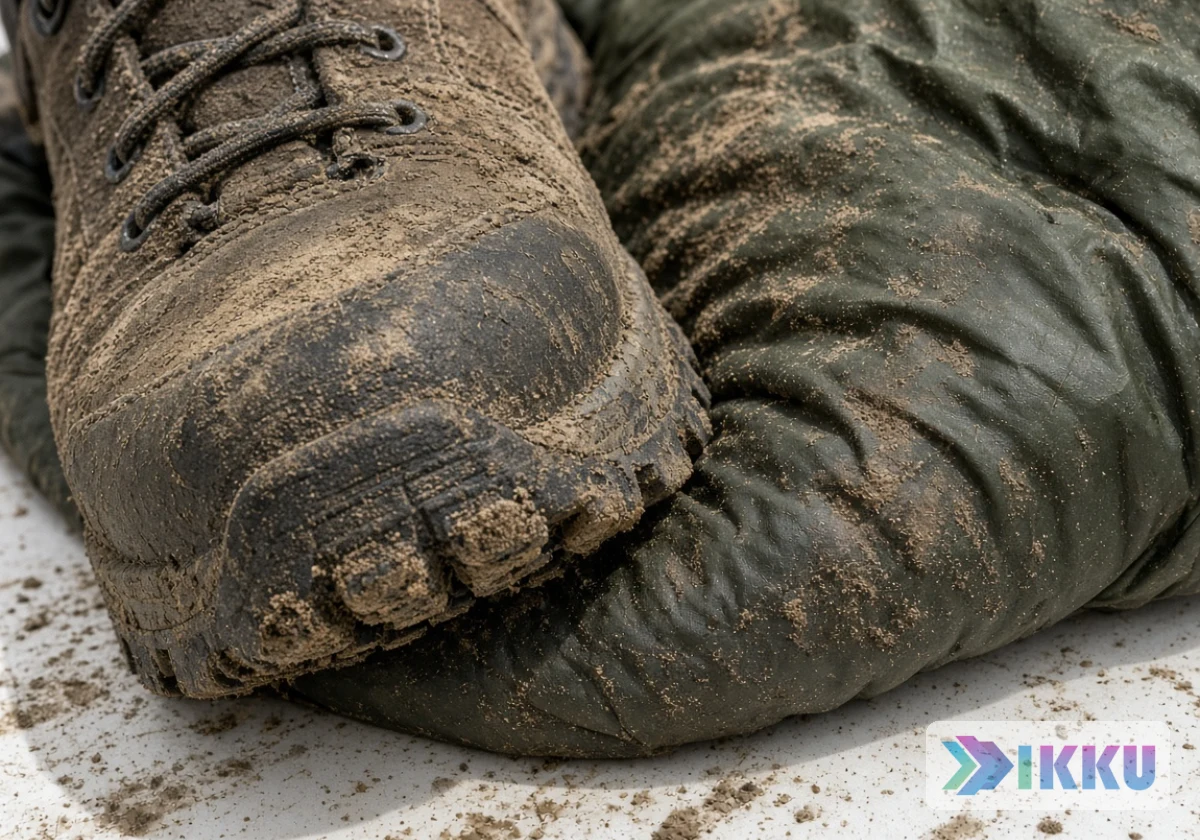
Boot treads can hold packed soil deep in their grooves, where a quick wipe won’t reach. Since these grooves can carry dirt picked up along different tracks and trails, biosecurity officers often check the soles first during inspection.
The same risk applies to gumboots, golf shoes and football boots, as their studs and spikes can trap mud around the edges. These areas need just as much attention as the treads on hiking boots.
Use warm, soapy water and a stiff brush to remove packed dirt from each pair. Then check the soles for trapped stones and remove them with a skewer. After the footwear is clean and dry, pack it in a separate bag so officers can inspect it easily.
Garden Tools, Pots and Planters You Can Bring if They’re Spotless
You can bring personal garden tools such as spades, rakes and secateurs into New Zealand, provided they’re completely free of soil and plant material. Pay close attention to joints and hinges, as dirt can collect in these areas and go unnoticed during cleaning.
Pots and planters need the same treatment inside and out. Check the drainage holes, because old roots and soil often stay lodged there (one stray snail shell is enough to fail it).
Pro tip: If you’re bringing terracotta pots, soak them overnight before scrubbing to loosen any dirt. Leave soil, compost and potted plants behind, as New Zealand’s biosecurity rules prohibit soil and place strict limits on bringing in living plants.
Wooden Handles, Bamboo Stakes and Anything That Can Harbour Borer
Untreated wood and bamboo can carry borers, small beetles whose larvae tunnel through timber. These insects can be difficult to spot, but tiny holes and fine sawdust may indicate they’re living inside the wood. Check for these signs before packing any wooden items.
Pay particular attention to bamboo stakes, cane furniture, and wooden tool handles, as these can all carry insects. Items made from branches with bark still attached need extra care because insects can hide beneath the bark.
Also, inspect each piece carefully for small holes and signs of insect activity. If you find any, leave the item behind, as fumigation may cost more than buying new stakes.
Lawnmowers, Line Trimmers and Bikes With Grass Packed Underneath
Machinery can collect grass clippings and soil in places that are easy to overlook. Mower decks, trimmer heads and bike chainstays often build up layers of grass where seeds can get trapped. Mountain bikes also need thorough cleaning around the tyre tread and suspension seals, as these areas can hold grass and dirt. During inspections, staff may remove the wheels to check inside the frame and around the brakes.
These areas need a thorough clean before shipping. For mowers, tip the machine on its side and scrape the deck until the metal is free of grass and debris. Once the machinery is clean, drain the fuel, as shipping companies generally won’t accept machines with petrol left in the tank.
Cleaning Outdoor Equipment for NZ Starts Well Before the Movers Arrive
Inspectors usually check boots and tents first, so these are good places to begin cleaning. Any soil, seeds, or live insects they find can lead to extra treatment, such as steam cleaning or fumigation. Keeping your gear clean before the inspection can help you avoid these additional fees.
However, cleaning everything properly takes time, especially when wet gear needs to dry. Start a few weeks before moving day so your equipment has time to dry completely and doesn’t develop mould before the border inspection. When we pack a garage for a move, the camping shelf and garden shed are often where hidden dirt turns up.
That’s why it helps to build cleaning into your packing plan for your NZ move rather than squeezing it into the last weekend. Treat it like a spring clean you’d do anyway (just with a much stricter judge waiting at the end). And use the routine below to cover the spots inspectors check most:
- Footwear: Scrub soles, studs and laces with a stiff brush and warm soapy water.
- Tents: Shake out loose dirt from the seams, pole sleeves and peg bags, then rinse the fabric inside and out.
- Machinery: Grass and soil often collect on mower decks, trimmer heads and bike tyres, so remove all visible debris.
- Pots and Tools: Pay close attention to drainage holes and tool joints, where soil and small roots can remain trapped.
- Timber and Bamboo: Small holes or fine sawdust on handles and stakes may indicate insect activity, so inspect these areas closely.
Once everything is clean and dry, pack it carefully to prevent dirt from getting back onto the gear. Then use sealed tubs or bags to keep out garage dust, and pack these items last so they stay clean until the container is sealed.
Declaring NZ Quarantine Household Goods and Personal Effects Without Costly Delays
An undeclared seed packet can delay your entire container and lead to unexpected treatment costs. To avoid these problems, declare all risk items on your arrival paperwork, even if you think they may need cleaning or treatment. This helps ensure your household goods meet NZ quarantine rules and allows inspectors to assess any items that need attention.
Garage equipment is easy to overlook because it may not seem like part of your household belongings. However, items stored in sheds or garages can carry soil, seeds or insects, so they still need to be declared. The table below explains what happens when inspectors find these items during an inspection.
| Outcome | What the inspector found | What you should do |
|---|---|---|
| Cleared | No soil, seeds, or pests | Collect your goods with no extra cost |
| Cleaning ordered | Soil or plant material | Pay the approved cleaning fee and wait for release |
| Treatment ordered | Live insects or borer | Approve fumigation or heat treatment |
| Destroyed or reshipped | An item they can’t make safe | Choose disposal or return shipping at your cost |
| Penalty issued | A risk item you didn’t declare | Expect a fine on top of any treatment |
The cleaning and treatment rows hit families hardest, because port storage charges keep climbing while your container waits. A clean, fully declared load is the simplest way to stay in the first row.

Pack Clean and Let Your Gear Clear Customs Without a Fuss
Customs checks your used camping and gardening gear because the soil and plant material on it can bring pests and diseases that threaten New Zealand farms and native species. Clean, declared gear protects the country and your budget.
Begin with the boots, tents and mower, then work through the shed using the routine above. And declare anything you’re unsure about, since honest declarations clear faster than hidden surprises.
Ikku helps families moving to NZ prepare their belongings for Customs and Quarantine clearance. Contact us to book a pre-move home visit with Ikku and get a clear plan before packing day.