

Most people planning international moves expect the hard part to be the packing. After all, boxing up an entire household and loading it into a shipping container sounds like the most complicated part of the process. The reality hits somewhere between your third customs form and a phone call about a port delay you didn’t see coming.
Moving overseas involves a chain of decisions, parties, and timelines that don’t always line up neatly. From customs regulations to coordinating with movers across time zones, the complexity builds fast.
This guide covers the real international moving challenges. By the end, you’ll know how to relocate without complicating the process.
Customs and International Shipping: Why the Rules Catch People Off Guard
Customs paperwork for international moves includes import permits, packing lists, and proof of ownership for every item you’re shipping. Let’s get into details:
Paperwork, Taxes, and Restricted Items
Getting your personal effects across a border takes good packing. Here’s what the customs clearance process actually involves:
- Import Permits and Declarations: Customs authorities require detailed documentation for every shipment, including item-by-item packing lists and proof of ownership. Missing even one form can hold your household goods at the border for days.
- Duties and Insurance Options: Not every item ships duty-free, and some household goods attract unexpected taxes depending on their value and category. That’s why it’s worth reviewing your insurance options before shipping, as cover can help protect against loss or damage during transit.
- Restricted and Prohibited Items: Certain foods, plants, timber products, and chemicals are restricted or outright banned in many countries. Ensuring you comply before you pack saves you from having items seized on arrival.
Customs rules usually require preparation. The earlier you get your paperwork sorted, the smoother the whole process feels on the other side.
How Destination Country Rules Change Everything

Knowing the destination country’s rules upfront saves you from fines, delays, and the headache of having goods held at the border. Every country runs its own system, and they don’t all play by the same rulebook.
Some of the trickiest parts of relocating internationally are:
- Quarantine and Inspection Holds: Some destinations require all incoming shipments to sit in quarantine for up to 2 to 3 weeks before release. This is standard in countries like Australia and New Zealand, particularly for anything organic or timber-based to undergo biosecurity inspection or controlled holding periods before release.
- Varying Duty Thresholds: Each country sets its own duty thresholds, and what ships duty-free from one destination may attract a hefty charge somewhere else. Checking the potential costs specific to your destination before you book saves a lot of back-and-forth later.
- Documentation that Doesn’t Meet Local Standards: International shipping paperwork that works fine in one country can fall short of another’s requirements entirely. If you fail to meet local requirements, customs authorities may fine you, charge extra storage fees, or refuse your shipment.
Rules change, and they change more often than most people expect. Working with movers who know the destination well means you’re not relying on outdated information.
Logistics Across Borders: More Moving Parts Than You’d Expect
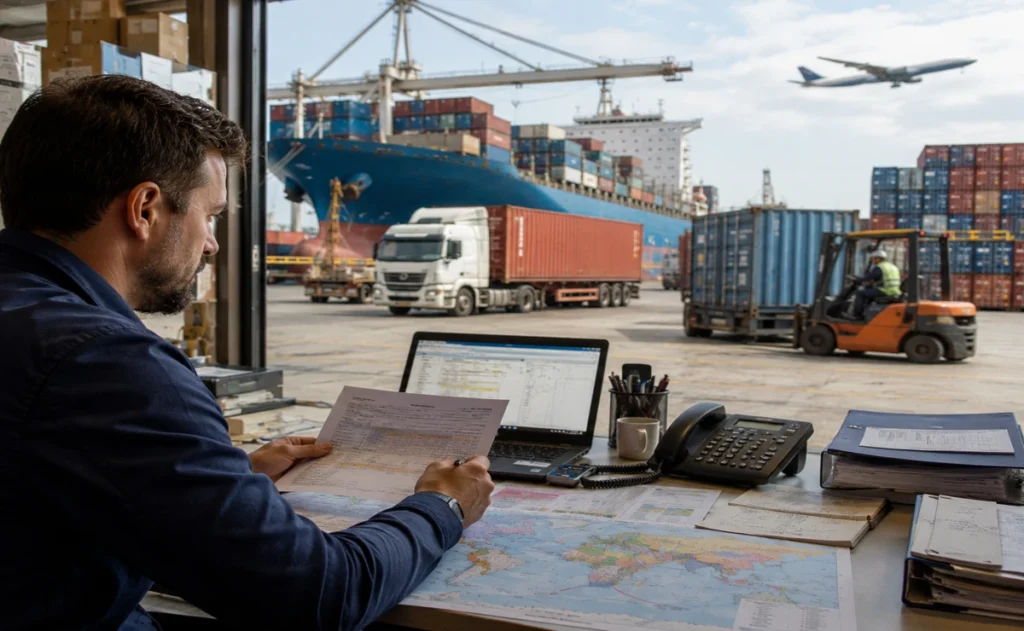
Sea freight can take anywhere from 4 to 12 weeks, and that’s before any delays kick in. Picking the right shipping method early decides everything from your budget to your move-in date.
Let’s go through some options:
Air vs. Sea Freight: Weighing Up Your Options
If your move-in date is locked in, logistics planning starts with your shipping window. Locking in your shipping method early gives you a realistic timeline to plan everything else around.
In fact, sea freight suits most worldwide moving scenarios involving a full household, with shared container options (LCL) available for smaller loads. It’s the more affordable route, depending on your origin and destination.
On the other hand, air freight gets your belongings there in days rather than weeks, which makes it practical for smaller, time-sensitive loads. The trade-off is that shipping a full household by air is rarely worth it financially.
The right call depends on your specific situation. Most people moving internationally end up using sea freight for the bulk of their belongings and air freight for anything they need straight away.
Port Delays, Transit Times, and Global Disruptions
Building a buffer into your timeline is one of the simplest ways to keep an international move from unravelling at the last minute. The shipping leg is often where things get unpredictable.
These are the disruptions that catch people out often when moving overseas.
- Port Congestion and Labour Strikes: Major ports around the world deal with congestion and periodic strikes that push delivery windows out by weeks. This is largely outside anyone’s control, so ample time built into your planning is your best protection.
- Seasonal Weather and Routing Delays: Certain shipping routes face regular weather disruptions at specific times of year, which add days or weeks to transit times. Talking to your movers about peak seasons for your route helps you pick a smarter departure window.
- Global Events That Halt Routes Entirely: Pandemics, political unrest, and major trade disruptions have shown just how quickly international shipping can grind to a halt. The whole process runs more smoothly when you treat your estimated arrival date as a guide.
Delays are a normal part of the international moving industry, rather than an exception. The people who handle customs procedures best are the ones who planned for them from the start.
Who Actually Coordinates an International Move?
A Minimum of 4 separate parties handle an international move. For starters, your international movers manage the pickup and packing.
Freight forwarders handle the shipping logistics, and customs brokers deal with clearance at the destination. A local delivery team then takes care of the final leg. That’s four different communication chains, and plenty of room for things to slip.
However, professional moving companies with a strong global network manage this chain directly. A good team takes ownership of the entire move, which involves keeping careful handling consistent across every handover point.
Hidden Costs in International Relocations Most People Miss
Most people budget carefully for the move itself, and then get caught off guard when the extras start stacking up. International relocations come with a range of costs that rarely show up in the initial quote.
Let’s check the charges that tend to surprise people most.
- Storage Services and Holding Fees: If your new home isn’t ready when your shipment arrives, storage services kick in fast. Daily or weekly holding fees accumulate quickly, particularly when customs clearance takes longer than expected.
- Insurance and Port Handling Charges: Most moving companies provide basic coverage, but comprehensive insurance for an overseas move costs extra. Port handling fees, fuel surcharges, and destination charges are also rarely included in the headline price.
- Currency Exchange on the Final Bill: International relocation costs are often quoted in foreign currencies, and exchange rate shifts between booking and delivery can change your final bill by hundreds of dollars. Locking in a rate early or using a currency service reduces that risk considerably.
Keep in Mind: Talking through potential costs upfront with your moving services provider is worth every minute. A transparent quote at the start saves a lot of frustration further down the track.
Housing, Local Knowledge, and the Gaps Between Arrival Dates

Your shipment rarely arrives the same day you do. That gap between landing and delivery means you need temporary housing sorted before you even board the plane. It sounds minor, but it catches a lot of people off guard.
New Zealand movers with strong local knowledge know the streets, building access points, and common delivery hold-ups in your area. A Zealand-owned company brings that ground-level familiarity to every job. While global moving experience gets your stuff across the ocean, local knowledge gets it through the front door.
That difference becomes clear the moment you arrive. Picture arriving at your new home with two bags while your household goods are still at sea. Planning that gap early, with good moving house support, keeps that from becoming your reality.
Once the logistics are sorted, there’s still one layer most moving checklists leave out entirely.
The Emotional Side of International Moves: It’s Harder Than the Paperwork

Starting life in a new country means leaving behind familiar healthcare systems, schools, and social networks all at once. That’s a lot to process on top of an already busy move.
For families moving with elderly parents, the challenges run even deeper. A new environment brings unfamiliar medical providers, mobility considerations, and the stress of settling into a new culture from scratch. It can feel overwhelming, even when everything goes according to plan.
Unnecessary stress drops significantly when you have the right support around you. A team that communicates clearly and treats your situation as unique goes a long way toward making a new life feel less daunting and more like a new adventure.
Planning an International Move? Start Here
Moving overseas has a lot of moving parts. Customs, logistics, hidden costs, and housing gaps, you’ve now got a clearer picture of what’s actually involved. And honestly, that puts you ahead of most people who start this process blind.
New Zealand movers with real global experience handle the coordination that makes or breaks a relocation. ikkuonline manages your entire move, from international shipping right through to final delivery at your new home. So you’re not chasing four different companies for updates.
Ready to get started? Get in touch with our team, and take the first step toward a stress-free move into your next chapter. Drop your thoughts in the comments section.