
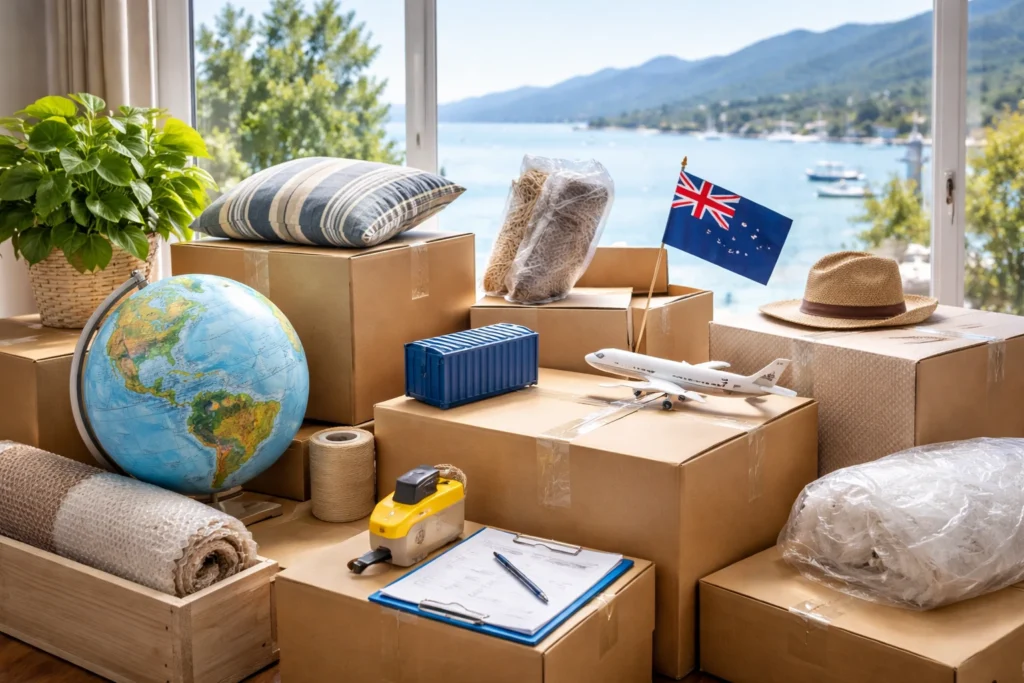
Did you know that most international shipping insurance policies exclude damage that results from improper packing techniques? This means you’re on your own if your belongings arrive broken or damaged.
Your belongings will spend weeks exposed to salt air, humidity swings, and constant vibration during sea freight to New Zealand. However, professional movers can cut the risk of damage down to almost zero because they understand how to prepare household goods for the specific challenges of ocean transport.
This article covers the questions you need to ask before booking a professional service. You’ll learn all the specific protection methods that international movers use and what happens to your items during the delivery.
So if your move involves anything you’d hate to lose or replace, keep reading.
Why Overseas Moving Safety is Important for Your Belongings
Overseas moving safety protects your items from the unique risks of international shipping. Your household goods will travel through cargo terminals, shipping containers, and customs checkpoints where amateur packing simply falls apart.
Here’s what separates professional handling from DIY attempts.
What International Movers Do to Protect Your Goods
International movers use commercial-quality packing materials specifically designed for sea freight and air freight conditions. We’re not talking about grocery store boxes and newspaper here. These are reinforced containers, moisture barriers, and cushioning systems engineered to handle the journey.
Along with that, you’ll have trained staff follow tested loading patterns that prevent items from moving during transport. They know exactly how weight distribution works inside a shipping container and which items can stack safely.
Plus, every single piece gets documented with photos and detailed inventory lists, which becomes essential if you ever need to file an insurance claim.
The Hidden Costs of Amateur International Shipping
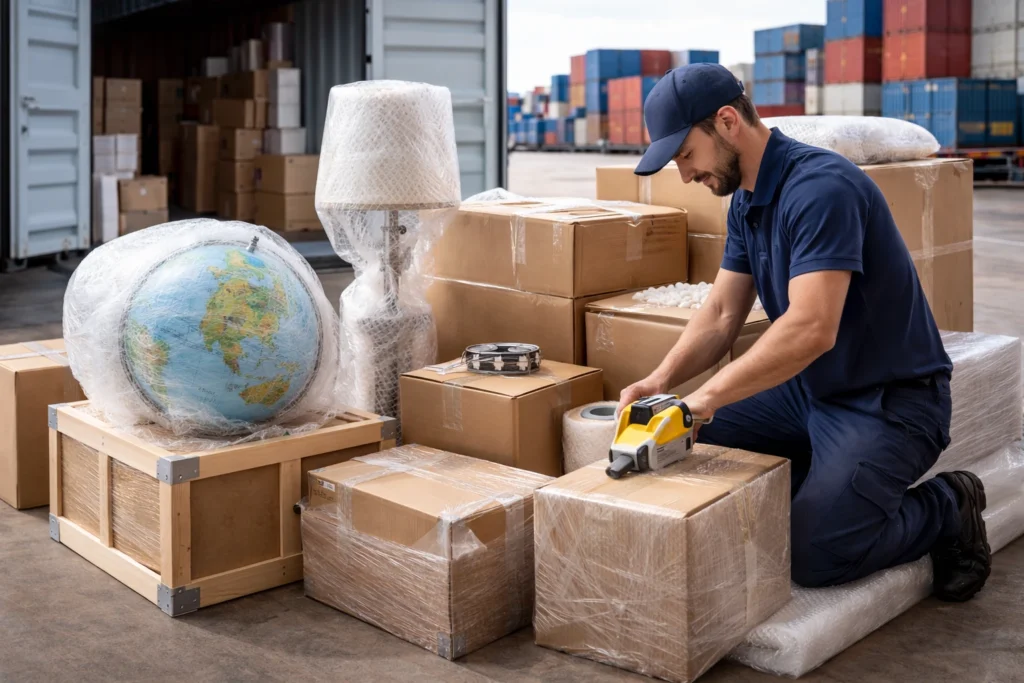
Improper packing leads to customs delays and quarantine holds in New Zealand (we’ve seen it happen too many times). As strict as it sounds, biosecurity officers will reject your entire shipment if they find soil on outdoor furniture or garden tools, and you’ll pay storage fees while everything sits in a warehouse.
Coupled with this, New Zealand enforces instant NZD$400 fines for travellers who fail to declare biosecurity risk items, and commercial shipments face even stricter penalties.
You’ll also face repacking charges if your boxes don’t meet border requirements. It’s especially expensive because professional repacking services at the port cost three times what proper packing would have cost initially.
What’s more, damaged goods rarely qualify for insurance coverage when you’ve packed them yourself, which means you have to pay the price for replacements out of pocket. To give you an idea, one damaged television or antique might only weigh 20 kilograms, but under standard liability coverage, you’d receive just $12 in compensation.
How International Moving Services Safeguard Household Goods
As we’ve mentioned before, international movers use different materials and techniques designed specifically for long-distance ocean travel. Most people skip right past this part when they’re planning their move, but understanding the packing methods shows you exactly where your money goes.
Take a look at how each item type is packed depending on its fragility and value.
Custom Crating for Fragile and Valuable Items
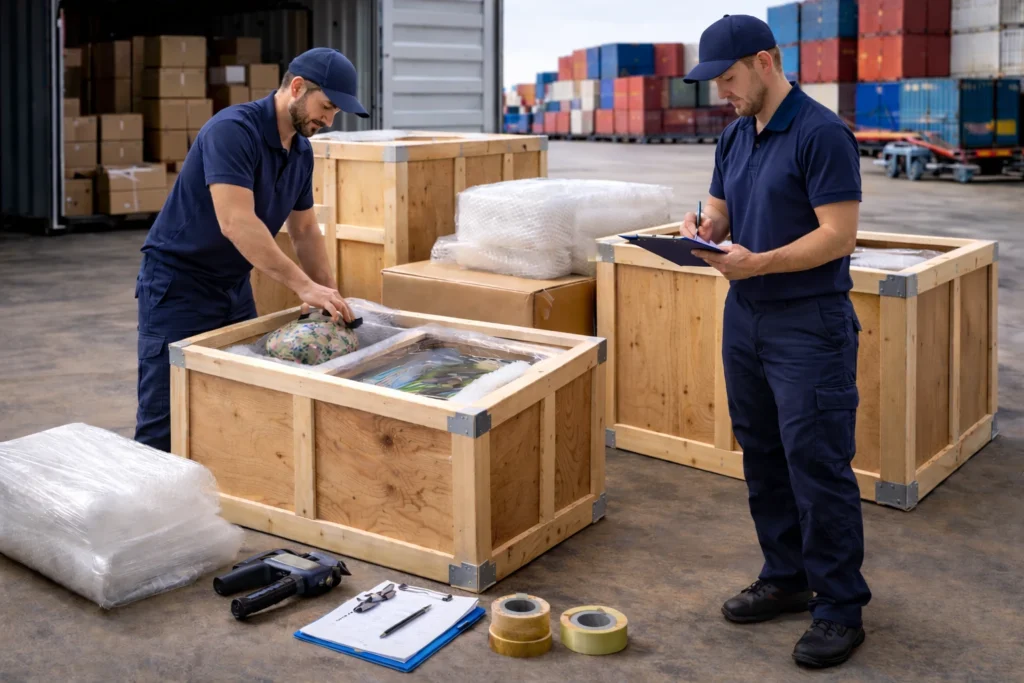
Wooden crates protect furniture, artwork, and electronics from the crushing weight of other cargo during container stacking. We’ve handled thousands of overseas shipments, and items in cardboard boxes always arrive damaged, while items in custom crates don’t.
Along with that, internal bracing stops everything from moving inside the crate, even when handlers drop it or the ship hits rough seas. The crate itself absorbs the impact instead of your belongings taking the hit.
Climate-Controlled Materials for Long-Distance Transit
Sea freight containers also need protection against saltwater corrosion, which eats through metal quite fast.
Similarly, temperature-resistant materials shield electronics and wooden furniture from warping when containers sit in direct sun on deck or in port. We’re talking about temperature swings from 5°C at night to 50°C during the day, which is bound to destroy unprotected items.
In addition, specialised moisture barriers are essential for sea freight to New Zealand because around 10% of container shipments suffer moisture-related damage during ocean transport.
These specialised wraps protect your goods from humidity inside a sealed container, which can reach 90% during tropical crossings. They also prevent mould growth during humid sea voyages between countries.
An Overview of International Relocations
Your household goods go through multiple handling points before reaching New Zealand. During the process, each transfer point creates risks that professional movers know how to prevent.
The entire process involves at least five major stages, and each one can damage improperly packed items. This is what happens behind the scenes:
- Home Collection and Port Transport: At first, everything gets loaded onto trucks and driven to the shipping terminal. Your household items will wait at the port facility until there’s enough cargo to fill a container for your destination.
- Container Loading: After that, professional crews use tested weight distribution techniques. They’ll put heavy items on the bottom and fragile boxes protected in the middle. Plus, everything gets strapped down with industrial securing equipment to prevent movement during the voyage.
- Ocean or Air Transit: Sea freight containers on ships can move several metres during rough weather. That’s why professional lashing is used to protect the goods. Meanwhile, salt air and humidity attack unprotected items constantly throughout the weeks-long journey to New Zealand.
- Border Inspection: After arrival, New Zealand customs and quarantine officers check everything for soil, seeds, and pests. They may also open and inspect the items in detail to ensure all biosecurity requirements are met before the shipment is released.
- Final Delivery and Placement: Finally, movers bring everything into your new home and place items in the correct rooms. Most companies also offer unpacking assistance if you want help getting settled faster.
Each stage presents different challenges, but proper packing from the start prevents problems at every step. And the reason experienced moving companies charge what they do is that they’re protecting your belongings through all five of these stages.
Picking the Right Moving Company for Your Move to New Zealand
Not all international movers offer the same level of protection for your belongings. Some companies offer better insurance and stronger packing to keep your belongings safe. Meanwhile, the cheapest quote often means sacrificing quality packing and insurance coverage.
Here’s what to look for while picking reliable companies:
- Facility Ownership: Companies that own their warehouses and equipment have direct control over your belongings at every stage. Unlike them, brokers who outsource the actual work are just middlemen who add cost without value.
- Proven New Zealand Experience: Check how many shipments they sent to NZ in the past year. In the end, movers who are familiar with biosecurity requirements will save you weeks of customs delays that inexperienced companies can’t navigate.
- Insurance Details: Standard coverage might only protect your items at 60 cents per pound. So find out exactly what’s included and what costs extra before you sign anything.
- Past Customers: References from people who’ve used their moving services reveal more than any polished website. We suggest asking for contact details from recent New Zealand relocations similar to yours.
Picking a mover that knows New Zealand’s rules can help protect your belongings and avoid unnecessary delays. That way, you can have an overall smoother and stress free move.
Red Flags When Comparing International Moving Services
Companies that can’t explain their packing process in detail don’t know what they’re doing. Movers who rush through explanations or use vague terms like “standard packing” usually cut corners to keep costs down.
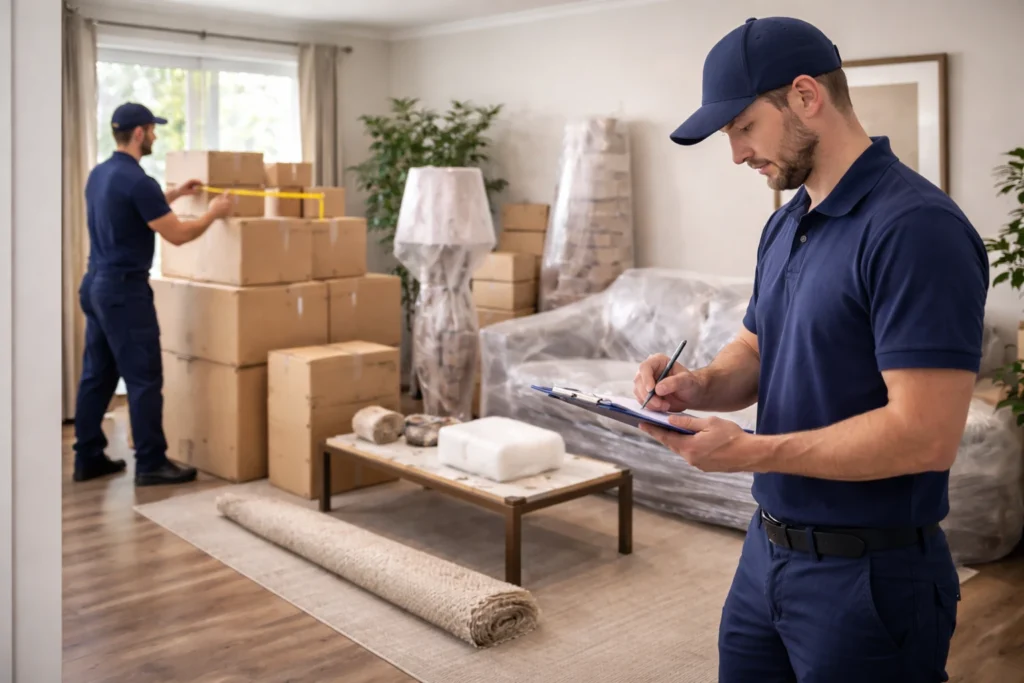
Another red flag to look for is quotes without home inspections. They almost always underestimate volumes, and lead to hidden costs later. Accurate estimates always require seeing what you’re shipping, instead of guessing over the phone.
Additionally, ask them: how long have you been shipping household goods to New Zealand specifically? Because general international moving experience doesn’t mean they understand NZ’s unique quarantine requirements or know the fastest shipping routes.
Move Overseas with Complete Peace of Mind
Professional handling uses commercial-grade packing materials and enforces customs coordination for a smooth international move. They’ll walk you through their entire process, answer your questions about customs requirements, and give you a transparent quote based on what you’re shipping.
The right moving company saves you time, money, and genuine stress during your relocation. You’ll see the difference when your household goods arrive in New Zealand undamaged and clear customs without delays.
At ikkuonline.com, we specialise in overseas moving safety with fully insured services and years of experience navigating New Zealand’s strict biosecurity requirements. Contact us today to arrange a meeting and discuss the best way for a stress free move.