
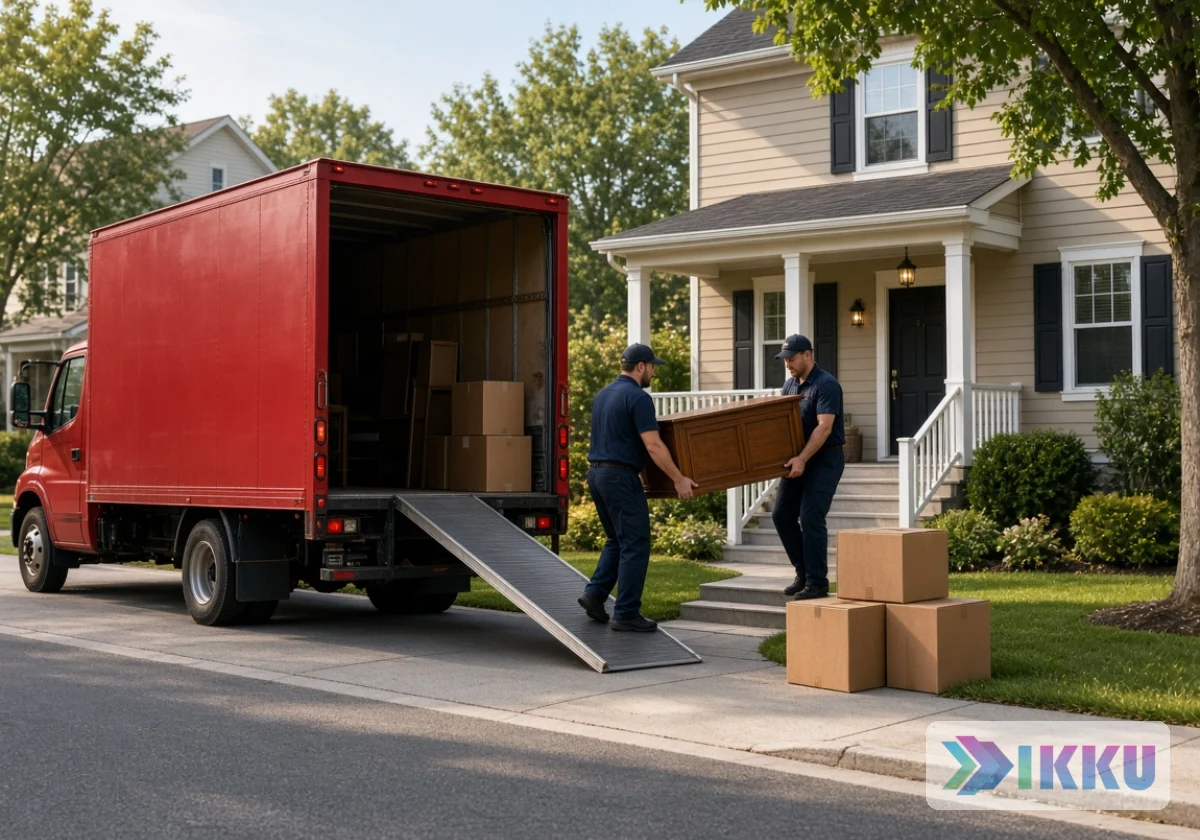
A couch that left your old house easily can still jam in a Wellington villa hallway. Older NZ homes often have narrow doors and steep stairs. That makes furniture delivery access NZ-wide dependent on the property’s layout and the item’s dimensions.
However, a few measurements before booking could save you an expensive delivery problem later. Measuring the full route helps when moving large furniture to New Zealand. If you’re planning a move with Ikku, it’s a useful first step.
This guide shows how to take doorway measurements for moving and what to do when one item won’t fit. It also compares how movers and couriers handle tight access. Read on before you book.
Doorway Measurements for Moving: Decide Whether Furniture Delivery Works
Doorway measurements for moving tell you whether a piece can physically reach the room you’ve picked for it. A failed delivery often comes down to one overlooked gap on the route rather than the front door itself. The four checks below cover the item, the route and the space your crew needs.
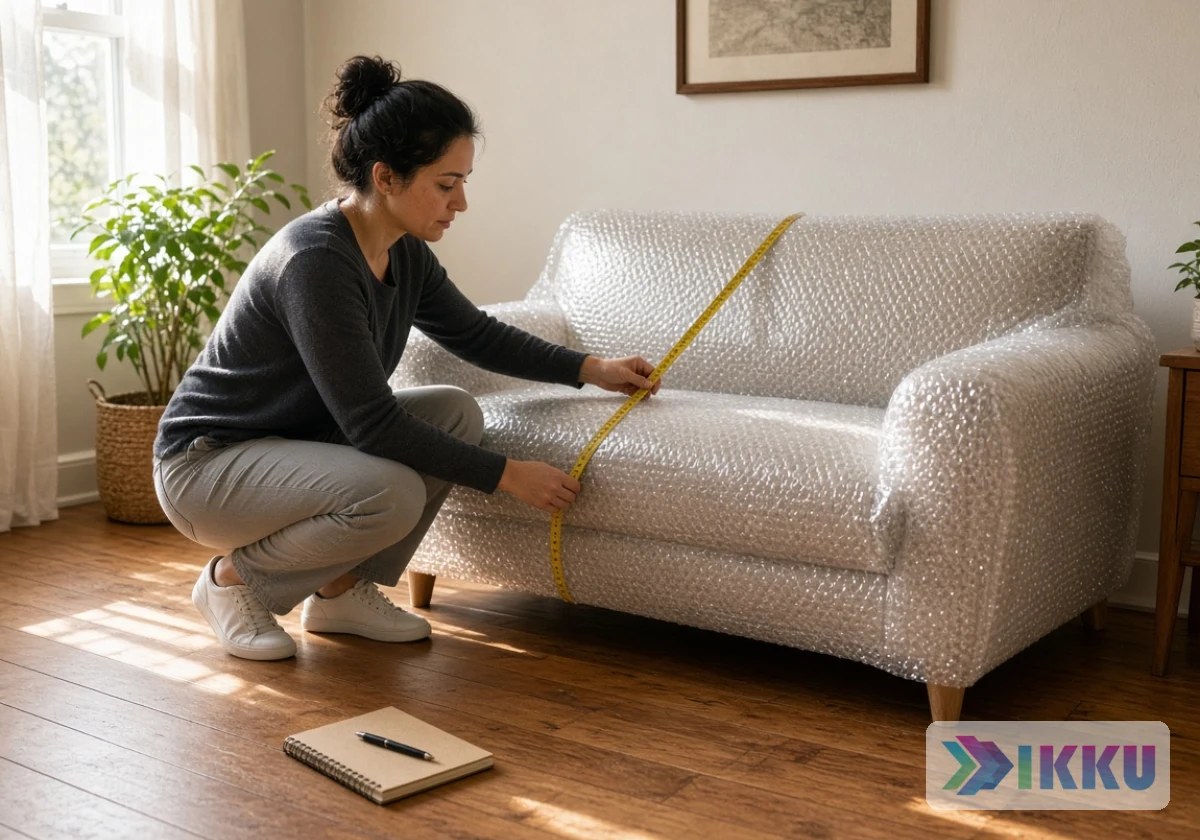
Measure the Packed Item, Including Its Diagonal
Start with the item in its packed state, because blankets and bubble wrap add thickness to every side. Take the height, width and depth, then a diagonal depth for sofas, couches and recliners. These diagonal measurements are useful when movers need to tilt or turn a couch through a doorway.
You should share the figures with your moving team so they can assess the available space.
Check Every Door, Hallway and Tight Corner on the Route In
Next, walk the actual route from where the truck parks to the room where the piece will sit. Measure every door fully open, plus each hallway and the space around every turn.
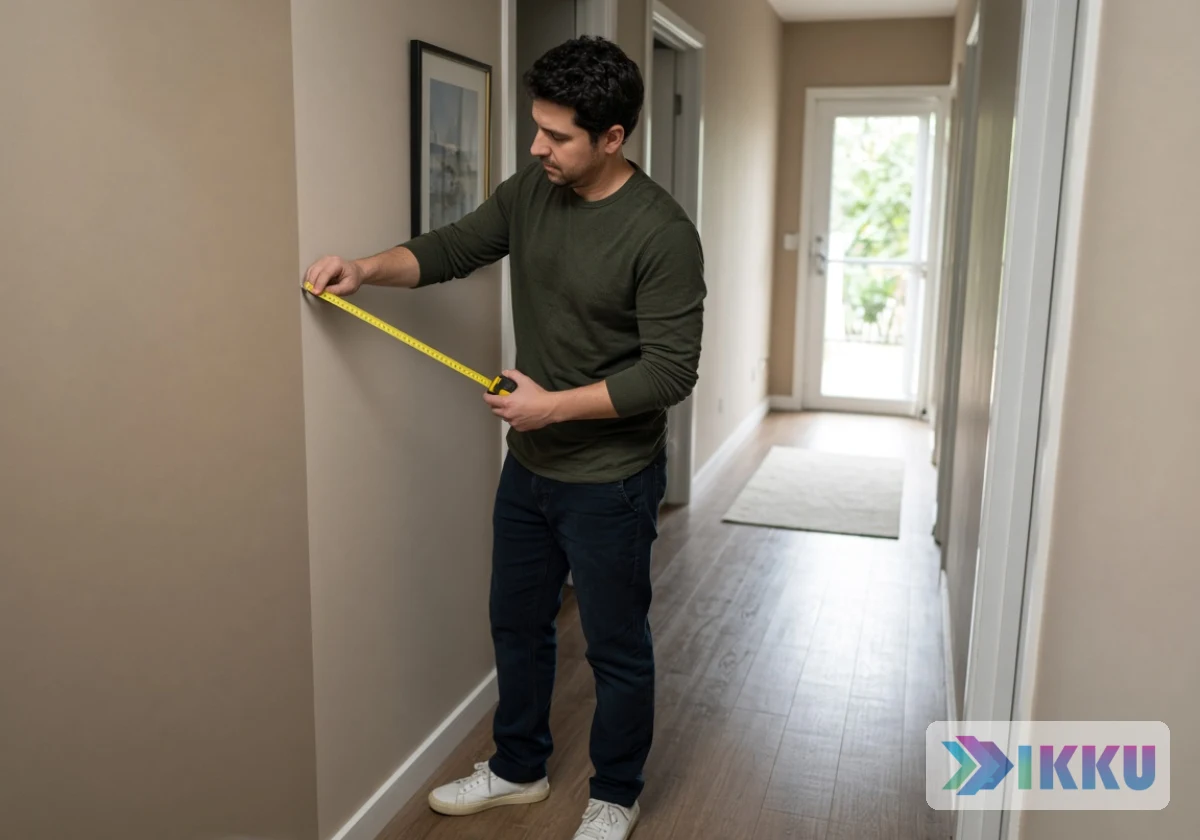
Corners cause more trouble than doors because a long item has to pivot as it turns (think of the L-shaped hallways in many older villas). If you’ve ever watched two people wedge a sofa in a hallway, you’ll know how fast a turn eats up length.
However, doorways and corners aren’t the only places where space gets tight. Low light fittings, handrails and door closers can also reduce clearance. Keep photos of these spots to help movers assess the route before moving day.
Check Stairs, Lifts and Balconies for Height Limits
Stairs catch people out because the ceiling above them usually drops as the treads rise. A wardrobe that fits the stairwell width can still hit the bulkhead at the first landing.
Lifts bring a different limit, since the internal depth and door height cap what fits inside. Get the lift dimensions and booking rules from your building manager, because some apartment blocks in Auckland and Wellington require a reserved slot.
If the stairs or lift won’t work, a balcony might offer another access route. However, balcony hoisting needs a specialist assessment, suitable equipment and any required building approvals. Check these details before treating it as a backup plan.
WorkSafe New Zealand’s guidance on load-lifting and rigging explains the risks associated with suspended loads and lifting equipment.
Check Clearance for Hands, Moving Blankets and Door Frames
Even a perfect measurement leaves no room for the people carrying the item. Movers need space for their fingers on both sides of a frame, so a piece that matches the door width exactly won’t go through.
On top of that, the doorway itself may offer less space than its frame measurements suggest. Hinges, door stops and the open door can reduce the usable width. That’s why you should measure the narrowest clear opening with the door fully open. Allow some extra clearance around the packed item to give movers enough room to handle it.
If your numbers come up tight, flag that piece on your quote request so the crew brings the right tools.
What Happens When a Single Item Won’t Fit on Delivery Day?
When a single item won’t fit, the crew usually stops, rechecks the route and tries a different angle first. If that fails, the piece goes back on the truck while you decide the next step.
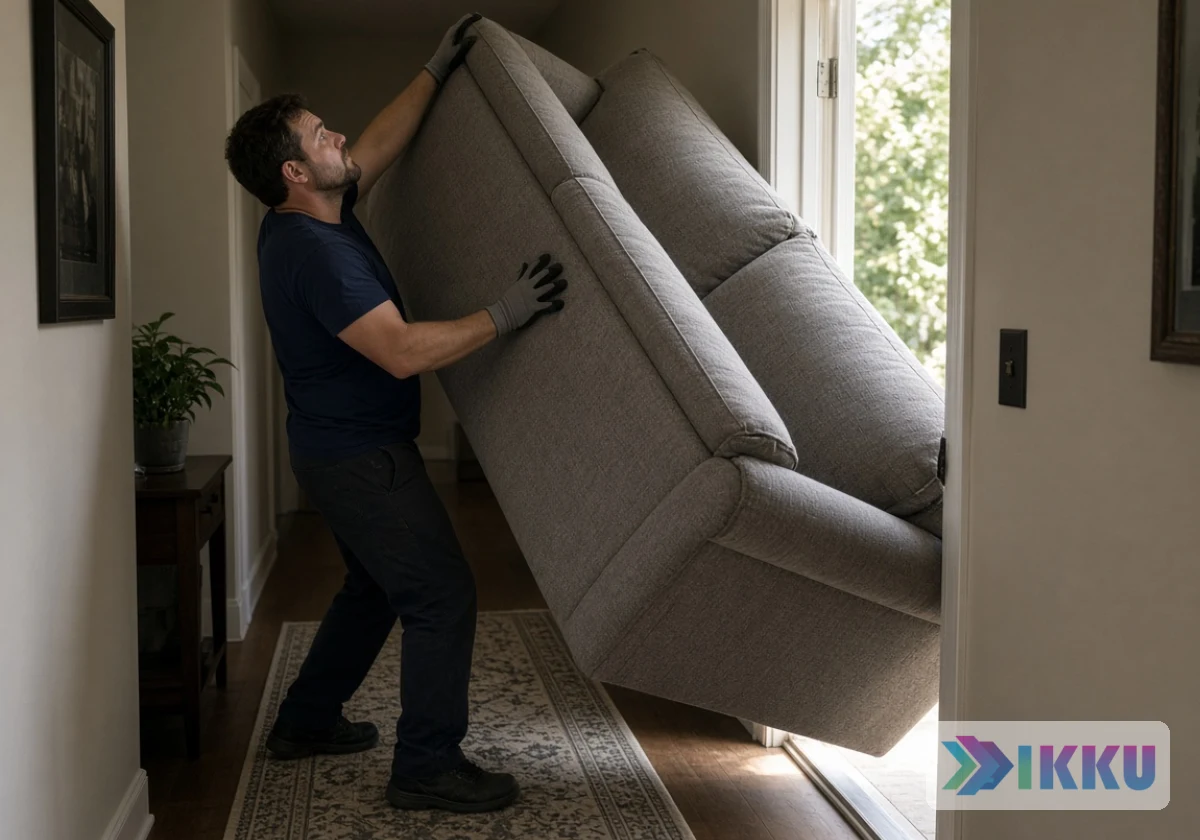
That return trip may mean extra handling, storage or redelivery charges, depending on your agreement with the removal company. From our experience with international moves, the problem piece is often the one nobody measured, such as a three-seater couch or a fridge with fixed doors.
Meanwhile, the rest of your household furniture gets unpacked around a gap in the room. A fallback plan agreed before moving day keeps that gap short and stops you paying for the same job twice.
If a piece won’t clear the doorway, these are the options to discuss with your moving team:
- Remove Legs or Cushions: Removable legs, feet or cushions may give the crew a little extra clearance. Keep the screws in a labelled bag.
- Take the Door Off: Removing a door may create extra space, provided the crew agrees and the door can be removed safely.
- Hoist Over a Balcony: Specialist lifting equipment and a site assessment are necessary before considering balcony access.
- Store It for Now: Moving it into temporary storage in a secure warehouse buys time to find a fix without blocking your hallway.
- Sell and Replace: Selling it locally and buying modular sofas that arrive in sections avoids the same problem at your next address.
Removing legs or a door may be relatively inexpensive, while storage and specialist lifting usually need separate quotes. Agree on the options and possible charges before moving day, so an access problem doesn’t leave you guessing about the bill.
Tight Access Options: Comparing Auckland Furniture Movers and Couriers
With your measurements in hand, the next choice is who carries the piece. The right service depends on the furniture’s size and weight, the access route and the distance involved.
The table compares common options for moving a single item or a larger load.
| Option | Best for | How they handle tight access | What to ask first |
|---|---|---|---|
| Local furniture movers in Auckland | Across town moves and single item jobs | Two-person crews with dollies, straps and blankets | Ask about crew size, access checks and disassembly. |
| National moving companies | Auckland to Wellington, Wellington to Christchurch and Hamilton to Tauranga runs | Full crews and trucks with tail lifts | Ask about vehicle access, transfers and delivery to the room. |
| Couriers and Trade Me delivery | Small items and flat-pack pieces | Kerbside or front-door drop only | Confirm kerbside, doorstep or indoor delivery. |
| Office movers | Commercial moving and heavy desks | Lift bookings and after-hours access | What are the building’s access and insurance rules? |
| Piano movers in Auckland | Pianos, antiques and fragile pieces | Stair equipment and extra crew | Ask about specialist equipment, stairs and insurance. |
For homes with narrow stairs, confirm exactly where the delivery service ends. A doorstep drop may leave you responsible for carrying heavy furniture inside. A quote for room-of-choice delivery gives you a clearer comparison with courier services.
Measure Twice, Book Movers Once
A successful furniture delivery starts with measurements of the entire route, including the doors, stairs and turning space. Checking those details early helps you avoid access problems at your new home.
Before booking, record the narrowest spaces and share photos with your movers. Ask how the crew would handle the most difficult spot and what extra charges might apply.
Ikku helps families plan international moves to New Zealand, from packing through to delivery at the door. Contact Ikku to discuss your furniture measurements and delivery access before your belongings ship.
Answering Frequently Asked Questions About Moving Large Furniture to New Zealand
Once the local options are clear, an overseas house move adds sea freight, customs and port handling before your furniture reaches the door. Those extra stages give you more time to plan, yet they also make a failed delivery far harder to fix.
The answers below cover timing, access checks and door removal.
How Early Should International Furniture Delivery Planning Start?
International furniture delivery planning should start as soon as you have a new address, ideally before your goods leave the origin country. Sea freight often takes several weeks, although transit and clearance times vary by route. That gives you an opportunity to check your new home’s access before the furniture arrives.
That window also lets you decide what to ship and what to sell before you pay to send it. If you can’t visit the property, ask the agent or landlord for door and stair measurements. Checking these details early helps you avoid shipping furniture that won’t fit.
Do Movers Check Access Before Moves From Auckland to Wellington?
Access checks vary between moving companies. Some offer site visits, while others assess measurements and photos. Ask your moving company which checks are included before accepting the quote.
Access deserves extra attention in Wellington’s hill suburbs, where steep driveways and steps can complicate a delivery. In places like Kelburn or Brooklyn, ask if the crew needs a smaller vehicle or a longer carry.
Send photos of the street, driveway and entry with your quote request, too. Clear photos let moving teams price the job accurately and avoid surprise charges.
What Do Customers Say Separates Reliable Movers From Cheap Ones?
When comparing house movers and furniture removals services, look for reviews that describe how crews protected the property. Floor runners, moving blankets and careful handling are useful details to look for. Then check whether the quote includes those protections.
You’ve probably seen a quote that looked great until the extras arrived (stair fees and long-carry charges are the usual culprits). Reviews that mention stairs, narrow hallways or bulky pieces tell you more than star ratings alone.
Compare quotes line by line before you book movers. A higher price that includes blankets, two crew and disassembly can end up cheaper than a low quote plus extras. Consumer NZ’s moving house checklist also recommends comparing quotes and researching moving companies before booking.
Can Movers Remove Doors or Windows for Heavy Items?
Some movers agree to remove suitable doors, but window removal usually needs a qualified tradesperson. For a piano or another heavy item, ask the company to assess the access route first.
Check the moving company’s service terms and insurance cover before booking. If you’re renting or living in an apartment, confirm any required permission with your landlord or body corporate.
After that, confirm who refits the door or window and when. Leaving that detail open can leave your house unsecured overnight.