
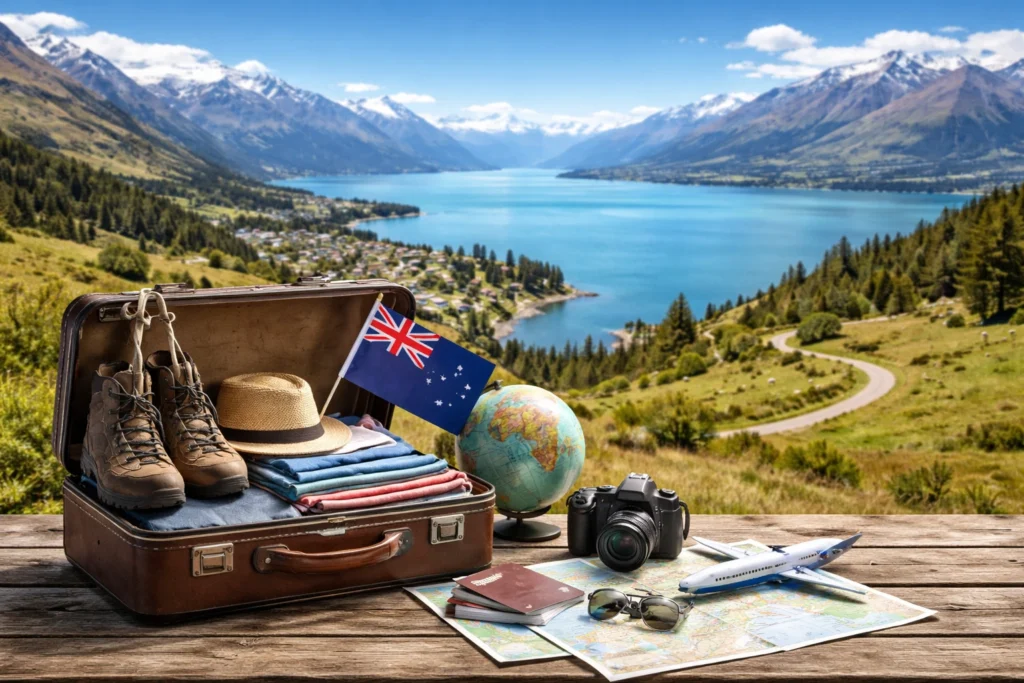
Moving to New Zealand is different from other overseas relocations because of the country’s strict biosecurity laws and geographic isolation.
So when you move to New Zealand, every shipping container goes through a mandatory Ministry for Primary Industries (MPI) inspection before your household items can enter the country.
This means that inspectors may hold your belongings at a transit facility while they check for food traces, plant material, or dirt on outdoor items. And if you forget to list or disclose restricted items on your entry forms, you could face a $400 fine on the spot.
But you just need the right planning and experienced international movers to make the whole process easier to manage.
In this article, we’ll share how you can handle strict customs requirements, compare your shipping options, and find international moving services that understand New Zealand’s laws.
First, we’ll walk you through the most important things to know before your move.
International Moving to New Zealand: What You Need to Know Before You Pack
International moving to New Zealand takes more planning than most other overseas relocations. The country sits far away in the South Pacific, and, as we mentioned, has some of the strictest biosecurity laws in the world.
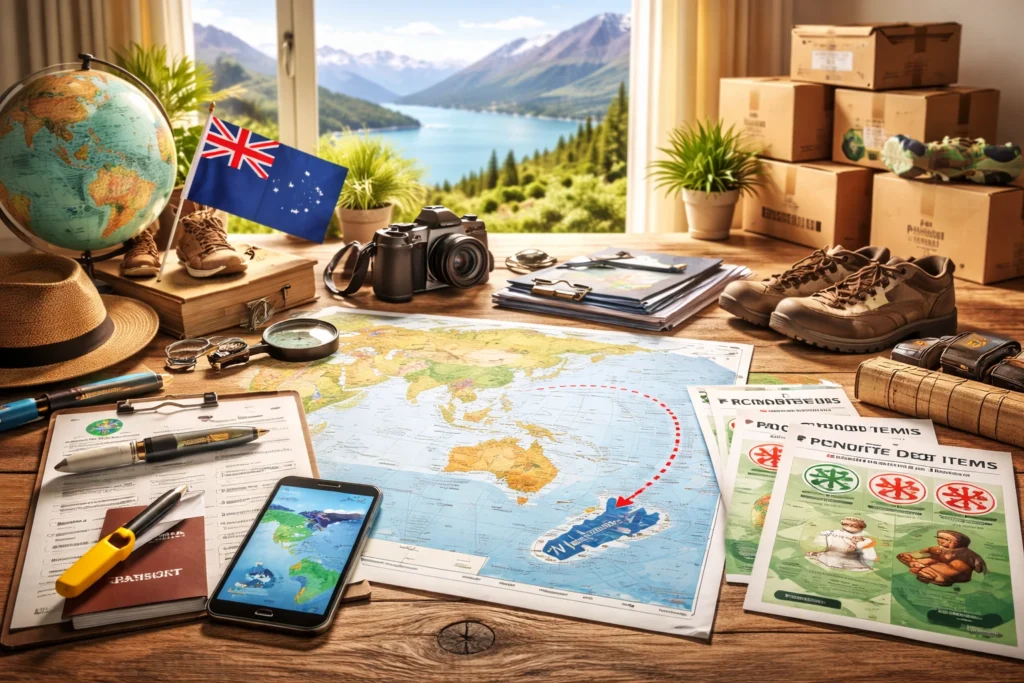
So before you start packing boxes, here are a few things worth knowing.
Understanding NZ’s Biosecurity and Customs Rules
New Zealand takes biosecurity seriously to protect its farms and natural environment from pests and diseases found in other countries. That’s why the Ministry for Primary Industries (MPI) inspects every shipping container that arrives in the country.
Even small things like food residue, plant material, or dirt on your hiking boots can cause delays or fines, as we mentioned before.
On top of that, you need to complete an Import Entry within 20 days of your goods arriving. If you miss that window, your belongings could be sent back. You can make the process easier by completing the voluntary personal effects supplementary declaration. It can speed up your customs clearance and often reduces inspection costs as well.
International Shipping Options and Container Choices
You have two main options for international shipping: sea freight and air freight.
Air freight is fast (usually taking just 2 to 7 days) but it can cost 4 to 10 times more than sea freight. On the other hand, sea freight from Europe or North America typically takes 30 to 75 days, depending on your route.
For containers, you can pick between a sole use container or a shared container.
But if you have a full household load, we recommend sole use containers. It’ll give you direct service with shorter transit times, which means your shipment will move faster and more securely.
Shared containers (also called groupage) let you split costs with other households. Because of this, it’s a popular choice among people who are moving just a few belongings.
Costs and Unexpected Fees
Most families moving overseas to New Zealand spend between $15,000 and $30,000 on shipping, visas, and initial setup costs. Then there’s moving insurance which can add another 3 to 4% of your total shipment value for international moves.
What surprises many people are the extra charges that show up along the way. For example, that MPI biosecurity inspection we mentioned earlier can cost you between NZD $47 and $620 (depending on your container size). If these inspections take time, storage fees will start to accumulate after three or four days.
And packing mistakes, like using untreated wooden crates, can mean fumigation costs at the border. This fumigation fee will cover the treatment of your items to remove pests and contaminants before they can enter New Zealand.
Choosing a Door-to-Door Moving Company
A door-to-door moving company handles everything, including packing your belongings at home, transporting them overseas, and delivering them to your new place in New Zealand. For overseas moving to NZ, this kind of full service can really make your life easier. Plus, professional movers who know MPI requirements will pack and document your personal effects the right way from the start.
Now, to find a reliable international mover, look for companies with FIDI-FAIM accreditation. This membership means the company meets global quality standards for international relocation. A good moving company will also help with customs clearance, arrange storage facilities if needed, and keep you updated with clear communication throughout the whole shipping process.
How to Choose International Moving Services for New Zealand
The best international moving services for New Zealand have local knowledge, strong global partnerships, and hands-on experience with MPI biosecurity rules. Let’s see what to look for when choosing a company for your overseas move.
Not All International Movers Are Prepared for NZ
Some international movers have never handled a shipment to New Zealand before, and you already understand by now how strict their biosecurity inspections are. So, if the movers don’t know MPI requirements they may pack items incorrectly or miss important documentation. This means delays, extra fees, or even having your belongings sent back.
We notice many first-time NZ movers use prohibited packing materials like untreated wooden crates. Then, they end up paying all the extra costs.
That’s why we recommend choosing professional movers with proven NZ experience to help you avoid these kinds of surprises.
What to Look for in a Moving Company
As we mentioned, FIDI-FAIM accreditation should be at the top of your checklist. FIDI is the largest global alliance of international moving companies, and their FAIM certification requires movers to meet over 200 quality standards.
These companies also get audited every three years by independent assessors to make sure they still measure up.
But you can benefit a lot more by choosing a New Zealand-owned company, or one with a strong network of NZ partners. This is because they understand local customs clearance rules better than a generic global mover. Membership in the New Zealand Overseas Movers Association (NZOMA) is also a good sign, as it requires FIDI accreditation.
Value-Add Services
A good international mover offers extra services that make the whole process easier to manage. If you’ve got a pet (particularly cats or dogs), the pet transport process is a big consideration.
You can use a professional pet transport service to make sure your cats or dogs meet all requirements, like import permits, vaccinations, and at least 10 days in quarantine.
Storage facilities come in handy as well if your new home isn’t ready yet. Plus, some quality service providers can help you with international money transfers and insurance options.
Cost-Effective International Shipping Can Turn Costly
A low quote might look attractive at first, but cheap international movers often hide fees that show up later. These can include destination terminal handling charges, demurrage fees for port delays, and extra costs for customs clearance.
Now, we understand if you want to cut costs on packing quality, but it can put your belongings at risk of damage. And their insurance often barely covers it if something does break (sometimes as little as 60 cents per pound). So, paying a bit more for a reputable moving company can save you money in the long run.
New Zealand Leads the Way in International Relocation
So, feeling a bit more prepared for your move to New Zealand? We know there’s a lot to think about, like strict biosecurity laws, complex shipping logistics, and finding international movers who actually know what they’re doing.
But, trust us, New Zealand will be worth the effort. The country ranks third in the 2025 Global Peace Index, which makes it one of the safest places on earth. Add in the stunning landscapes, friendly communities, and solid job opportunities, and it’s easy to see why so many people choose to call New Zealand home.
You can make your international relocation smoother by planning 3 to 6 months ahead. Make sure to confirm your mover’s FIDI credentials, check their NZ experience, and create a checklist for customs and biosecurity paperwork.
Ready to get started? Visit Ikku and work with a team that understands New Zealand inside and out. We’ll help make the whole process stress-free and professionally handled.