
A smooth move to New Zealand in 2026 starts with sorting your paperwork, checking visa options, and planning important dates.
It can be a lot to handle at first and most basic checklists don’t cover everything, so we understand if you feel stuck.
You also have timelines, customs paperwork, shipping decisions, and items that need careful handling, and you still need to choose what to pack, what to ship, and what to leave behind.
In this guide, we’ll share how you can plan your move to New Zealand, organise your packing, and manage relocation tasks.
Let’s start with planning your timeline.
Your First Step: Timeline Planning and Customs Forms
Your first step is to create a simple plan, like writing down important deadlines and the documents you need to prepare. This kind of plan will help you see the process more clearly and keep the tasks from piling up.
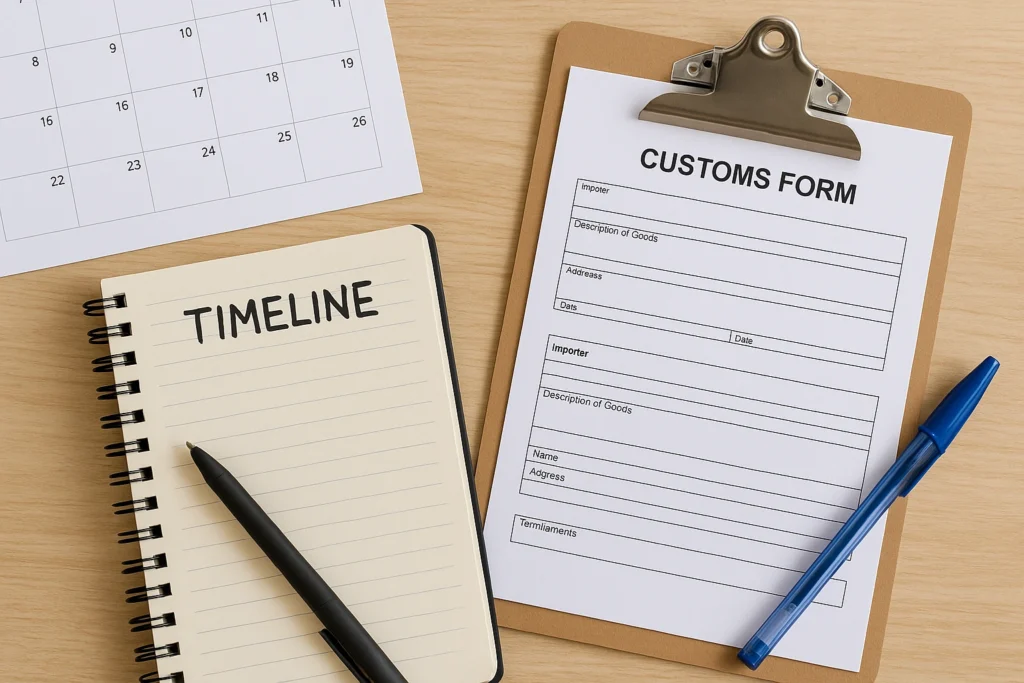
We’ll show you how you can put your plan in place.
Build a Timeline That Reduces Stress
A steady timeline will keep every stage of your move under control.
Start planning about twelve weeks ahead so you have time to organise everything. Around six weeks before moving, check your progress and make adjustments if needed. Finally, two weeks before moving, go over the final tasks to make sure nothing is missed.
We recommend booking international shipping early while you’re moving through these stages and also notifying schools, employers, and property managers about your plans.
Documentation You Must Prepare Early
Once your timeline is in place, you should gather your visas, health papers, and school records in one place. This will make your next steps easier.
After that, fill out your customs forms carefully and make sure all details match your documents to prevent fines or delays at the border. Then you can prepare simple inventory lists for the shipping company (like item names, quantities, and values).
Tools to Stay Organised
Good tools will make your planning even easier. So we recommend using simple apps like Sortly or Move Advisor to track your shipments and list different items as you sort them. You can also set calendar reminders to stay on schedule and share checklists so your whole family stays updated.
Next, we look at packing tips for overseas shipping to New Zealand.
Packing Tips for Overseas Shipping to New Zealand
Before packing for New Zealand, decide what to take with you and what to send by freight, as this will affect your costs, shipping time, and how easy the move will be.
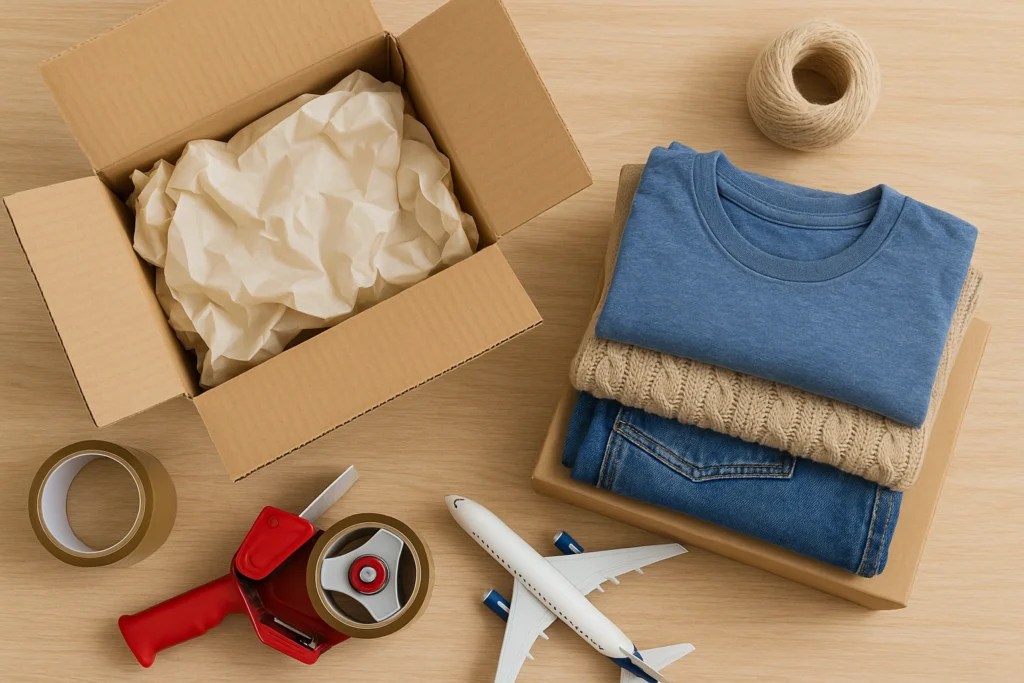
Let’s look at how you can do that.
Decide What to Ship, Carry, or Leave Behind
Your first step is to understand the difference between carry-on bags, checked luggage, and freight boxes. Get familiar with these:
- Carry-on bags will stay with you on the plane.
- Checked luggage will go in the cargo hold.
- Freight boxes get shipped separately for larger or heavier items.
New Zealand also restricts certain items, like dirty equipment and gear with insect spray, so check their biosecurity rules while you’re organising your belongings. Once that’s done, keep your electronics, passports, money, and valuables with you.
Air Freight vs. Sea Freight
How quickly do you need your items?
If you need your items urgently, air freight is faster, but it will cost you more. Meanwhile, sea freight will take longer (about 4–6 weeks compared with a week by air). But it is better for bigger shipments and also cheaper than air freight.
We often see people choosing sea freight for relocations because it can carry large loads and offers steady service.
Organise Your Shipment
Finally, to keep track of your shipment, label each box. You can just number them and take a few photos of the boxes for later review.
Also, pack your items tightly so your bags stay strong and nothing inside can move. This will save space and lower shipping costs.
Your Complete New Zealand Relocation Packing List
Your packing list should include your important documents for the move, clothing, personal items, toiletries, electronics, and other valuables. We also recommend making a list of items you can leave behind.
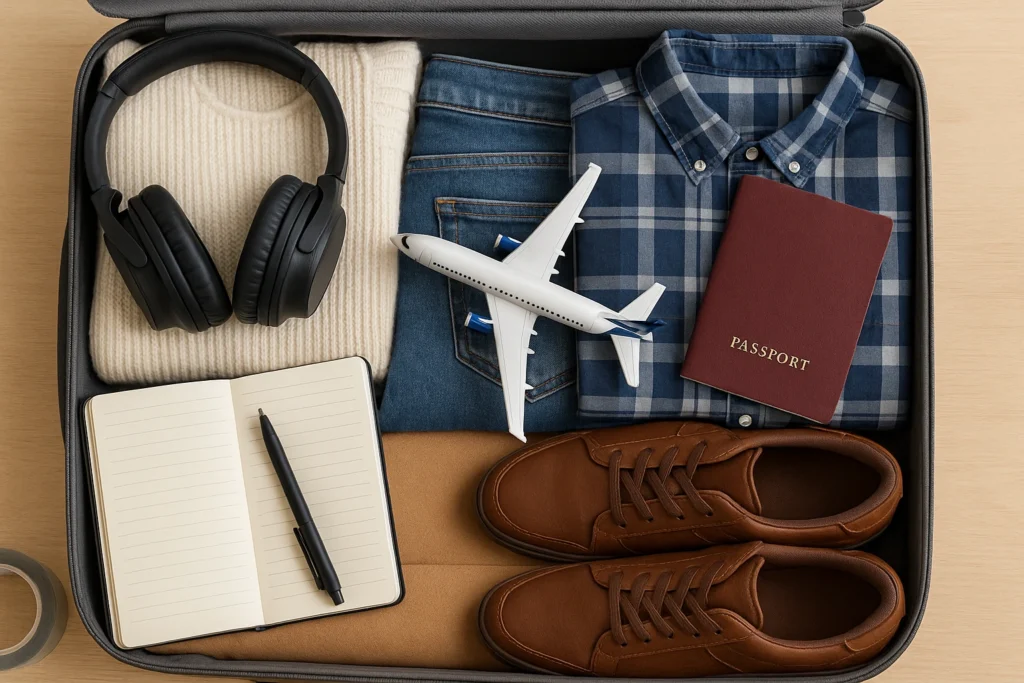
This is what your list should look like:
Essential Documents to Bring
Start with your passport, ID, visas, and customs forms to keep your travel smooth. You’ll also need your medical, school, and job papers, so nothing important gets left behind.
Pro Tip: Add a print of your address details and booking papers to the pile for quick checks during the trip.
Clothing and Personal Items
Because the weather in New Zealand can go from warm to cool quickly, it’s smart to pick clothes you can layer, like T-shirts and hoodies.
Also pack a few laundry items, like soap or detergent, a small washcloth, or a travel laundry bag, so you can wash clothes in your first week without rushing to find supplies.
And don’t forget good shoes and enough underwear: basics you’ll use right away in sunny, rainy, or cool weather.
Toiletries and Household Items
Some toiletries, like your favourite toothpaste, shampoo, and body wash, can make settling in easier by giving your new space a familiar, comforting feel. You can pack small travel sizes to save room in your bags and pick up the regular sizes after you arrive.
Include medications and daily hygiene items as well, like prescription pills, pain relievers, toothbrushes, soap, deodorant, tampons or pads, to stay comfortable from day one.
Valuables and Electronics
Your valuables need extra care, so keep them in your carry-on bag where you can reach them easily. Items like jewellery, phones, tablets, and hard drives are also safer if you keep them with you in your carry-on.
For extra security, you can use a money belt or small pouch to keep cash, your passport, and other important documents safe while moving through airports or busy streets.
Items to Leave Behind to Save Time and Money
Now, some things like packing food or dirty outdoor gear will make customs checks longer and only slow you down.
As we mentioned earlier, bulky items cost more to ship than to replace. So go through your list and remove these items ahead of time to keep your load lighter and your planning simpler.
Settling Into Your Life In New Zealand Smoothly
How are you feeling about your plan to move to New Zealand now? The first week will be busy, but these small steps will make it easier.
Remember to also set up a mobile SIM, local banking, and emergency contacts in your first few weeks to stay connected. Also, find grocery stores, pharmacies, and simple shopping spots near you.
They will help you settle and also give you quick access to essentials you might forget during the trip.
If your shipments face delays or a few items go missing, stay calm and check updates from your international shipping services so you understand the next steps.
For further guidance and easy planning tips for your next steps, check out Ikku Online.